01Free initial review
Confirm the opportunity
Does the property and goal appear worth investigating?
Waypoint reviews the address, homeowner goal, current project status, and the most obvious constraints.
Decision / deliverableRecommended next step
San Diego ADUs · Feasibility to construction
One coordinated path from early feasibility through permits and construction—with practical answers before costly commitments.
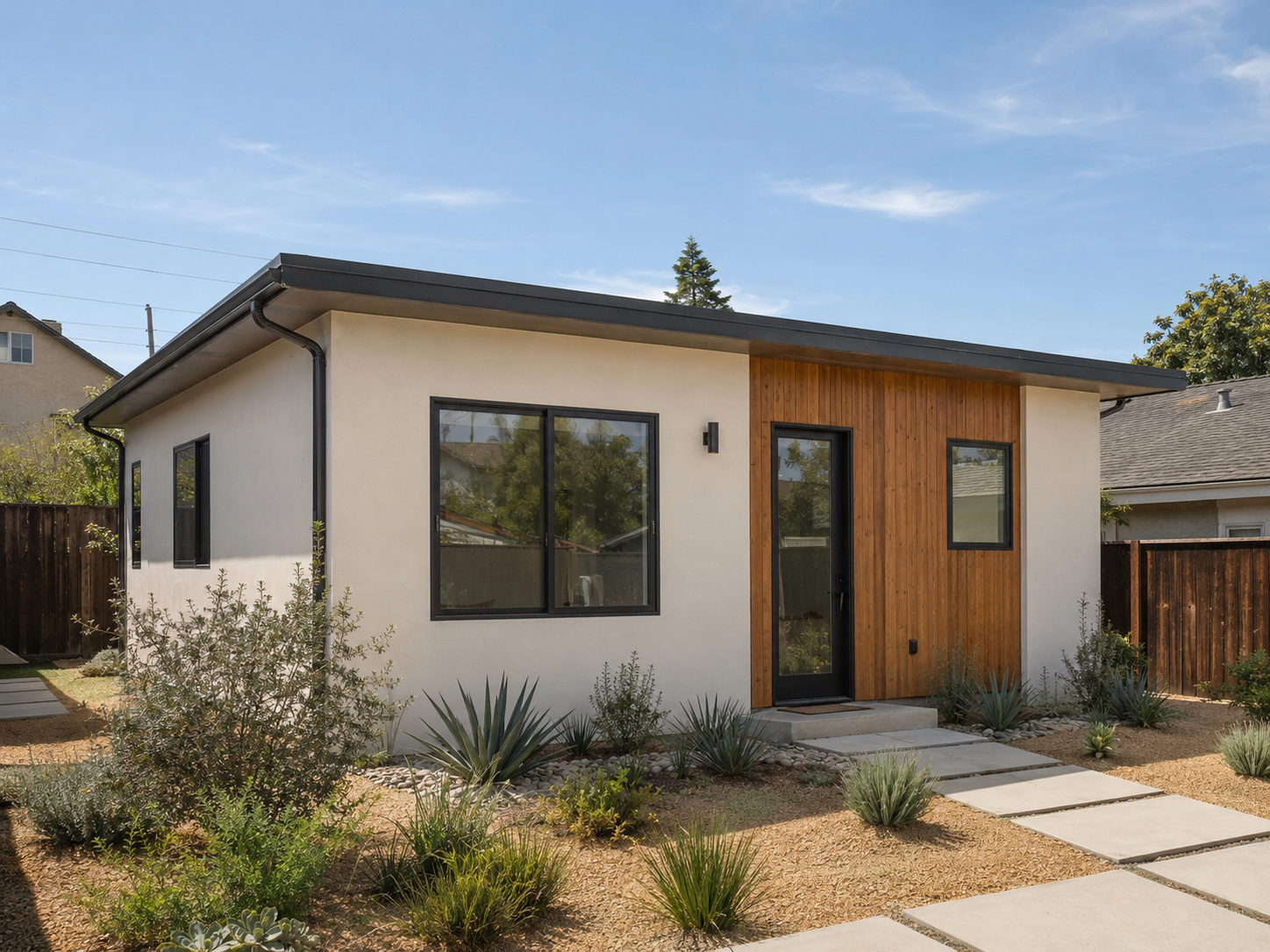
A staged commitment
Your first conversation should not obligate you to design or build. We identify the biggest unknowns first, then recommend the next investment only when the project supports it.
Does the property and goal appear worth investigating?
Waypoint reviews the address, homeowner goal, current project status, and the most obvious constraints.
Is there a realistic, buildable ADU here?
Our design and permitting partner evaluates site fit, access, utilities, approval requirements, likely scope, and budget pressure.
Can the right project become an approvable, construction-ready plan?
Design, engineering, agency review, constructability, and budget alignment move forward as one coordinated effort.
How do we deliver the approved project without losing control of scope?
Waypoint manages preconstruction, budget, schedule, field execution, communication, inspections, and closeout.
One coordinated path
Waypoint is your front door and stays engaged throughout. When formal feasibility, design, and permitting are the right next steps, we coordinate the appropriate specialists while keeping budget and constructability in the conversation.
Waypoint qualifies the property, goal, timing, and project stage.
Specialist design and permitting support advances the project when appropriate.
Waypoint contributes builder-level budgeting and constructability input.
Waypoint takes the approved project through construction and closeout.
Why Waypoint
Waypoint approaches your ADU like an owner: understand the constraints, test the budget, sequence the risk, and then commit. The goal is not more drawings. It is a buildable plan.
A good fit
Probably too early
Built by Waypoint
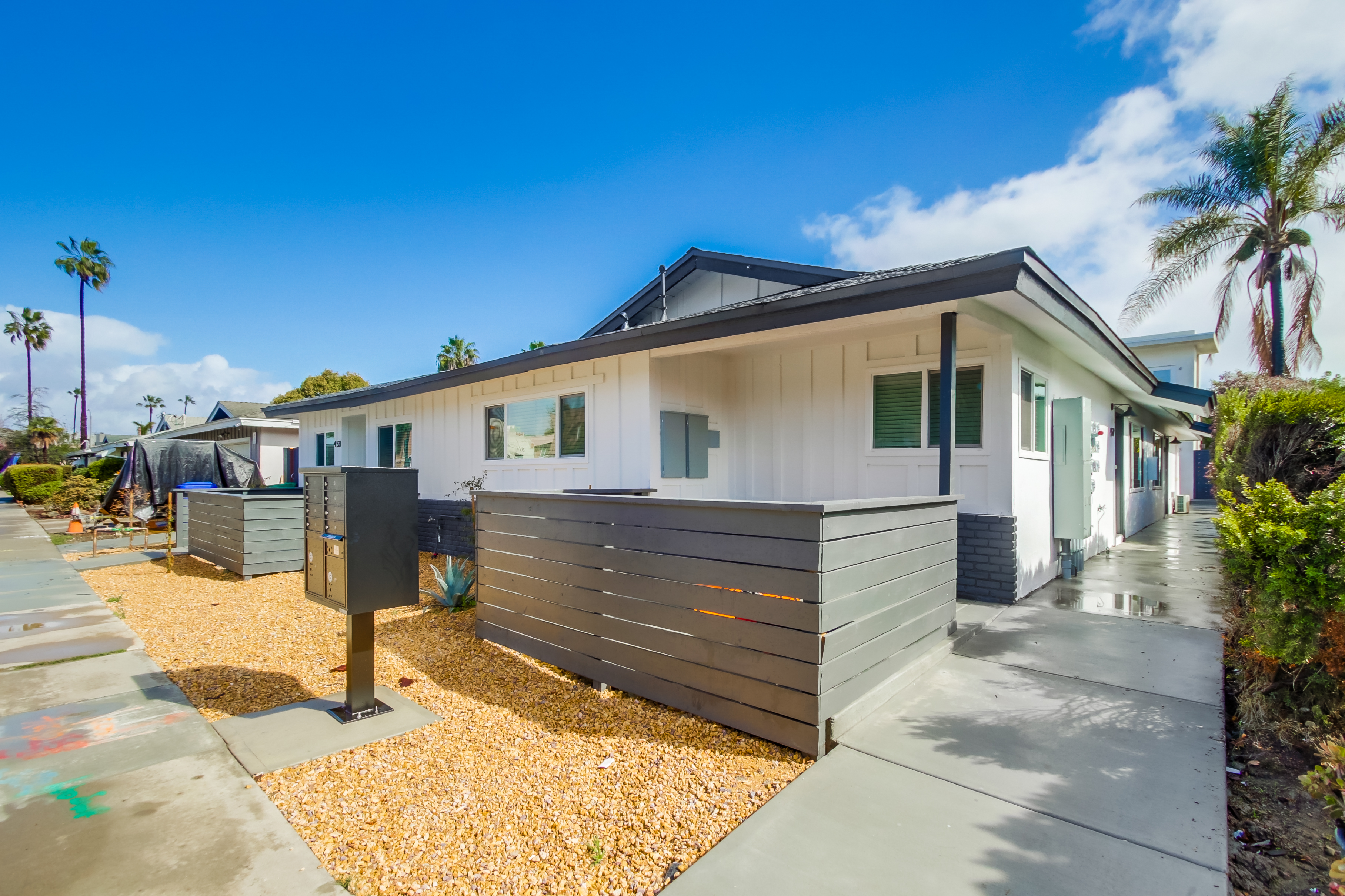
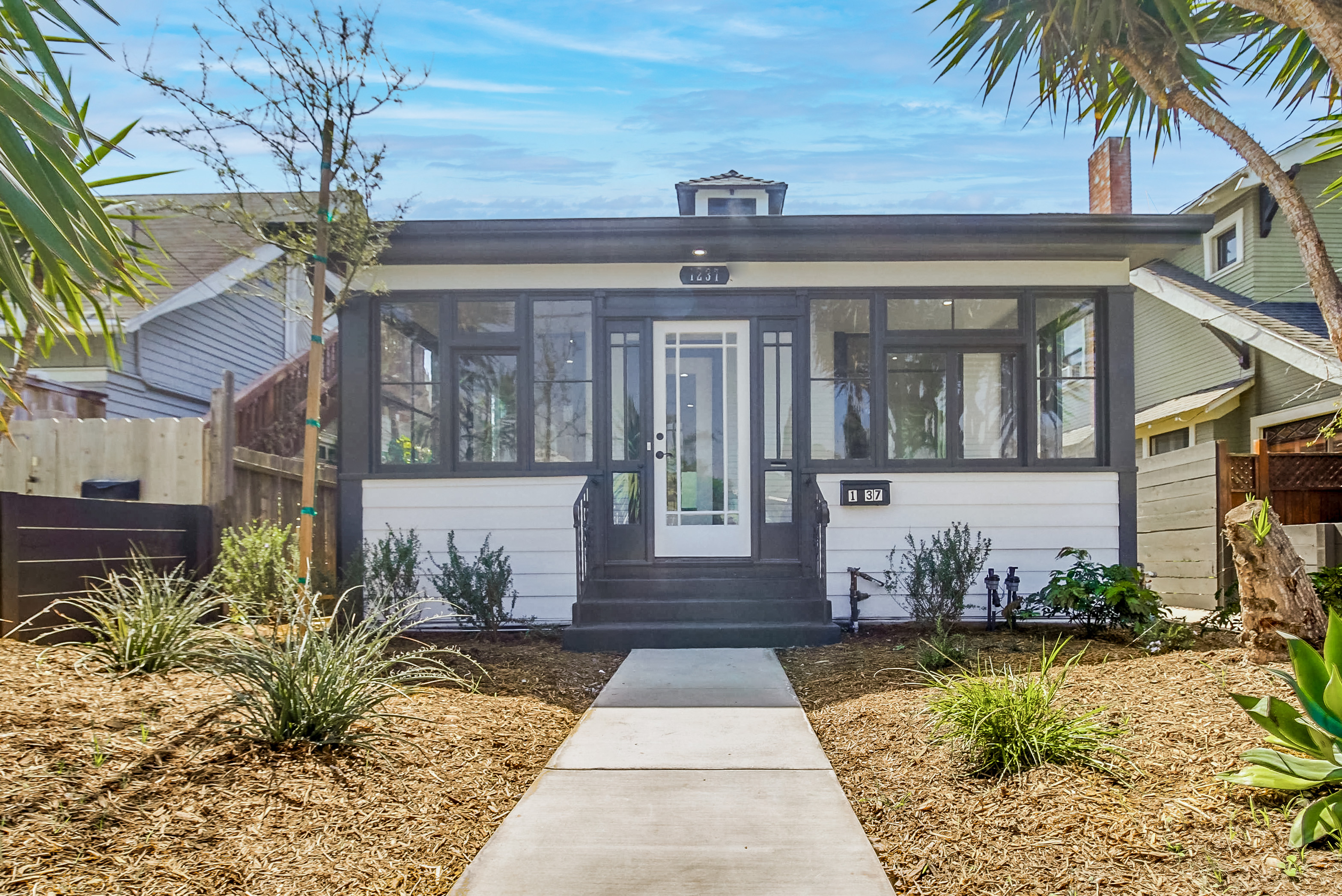
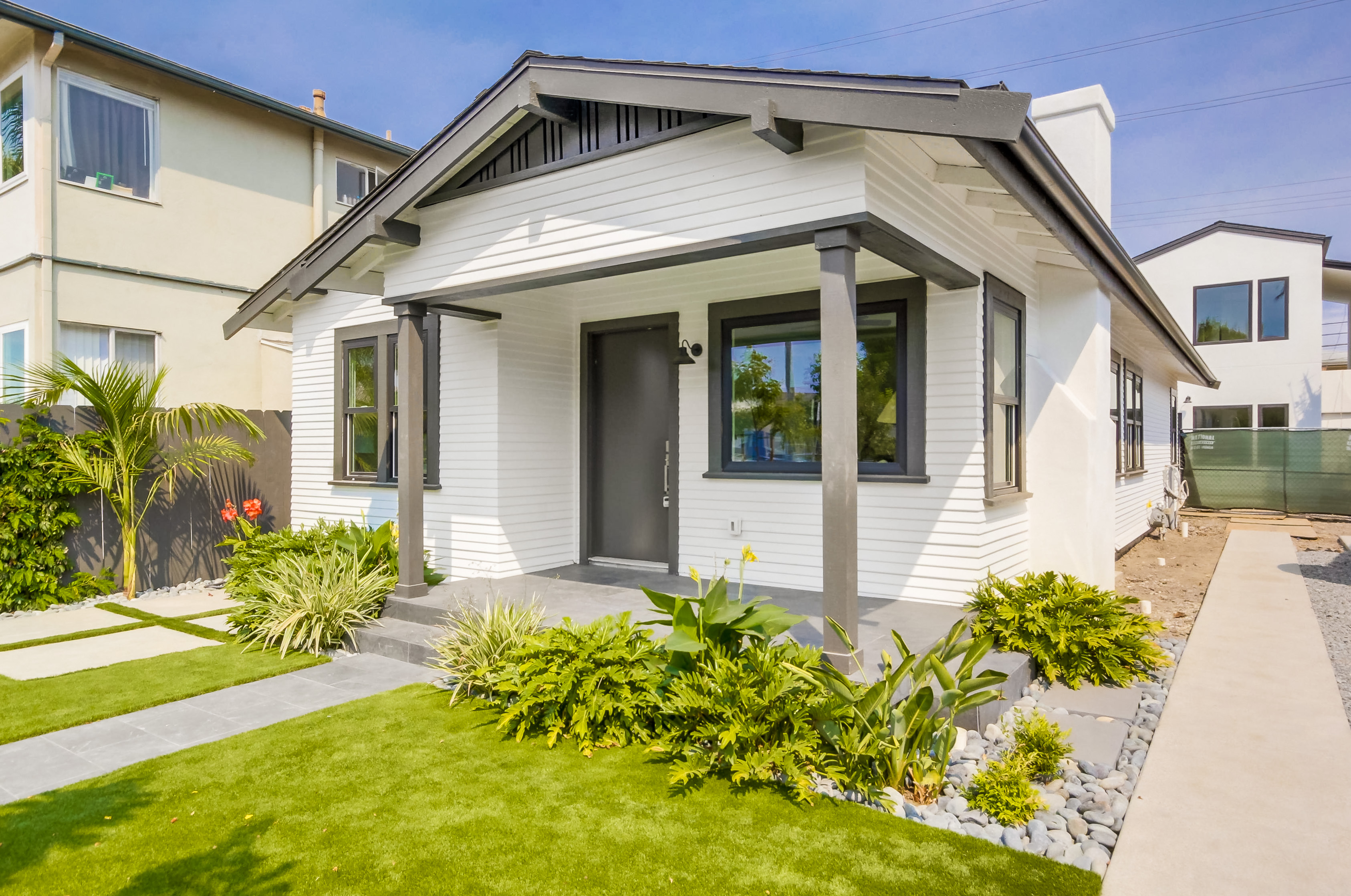
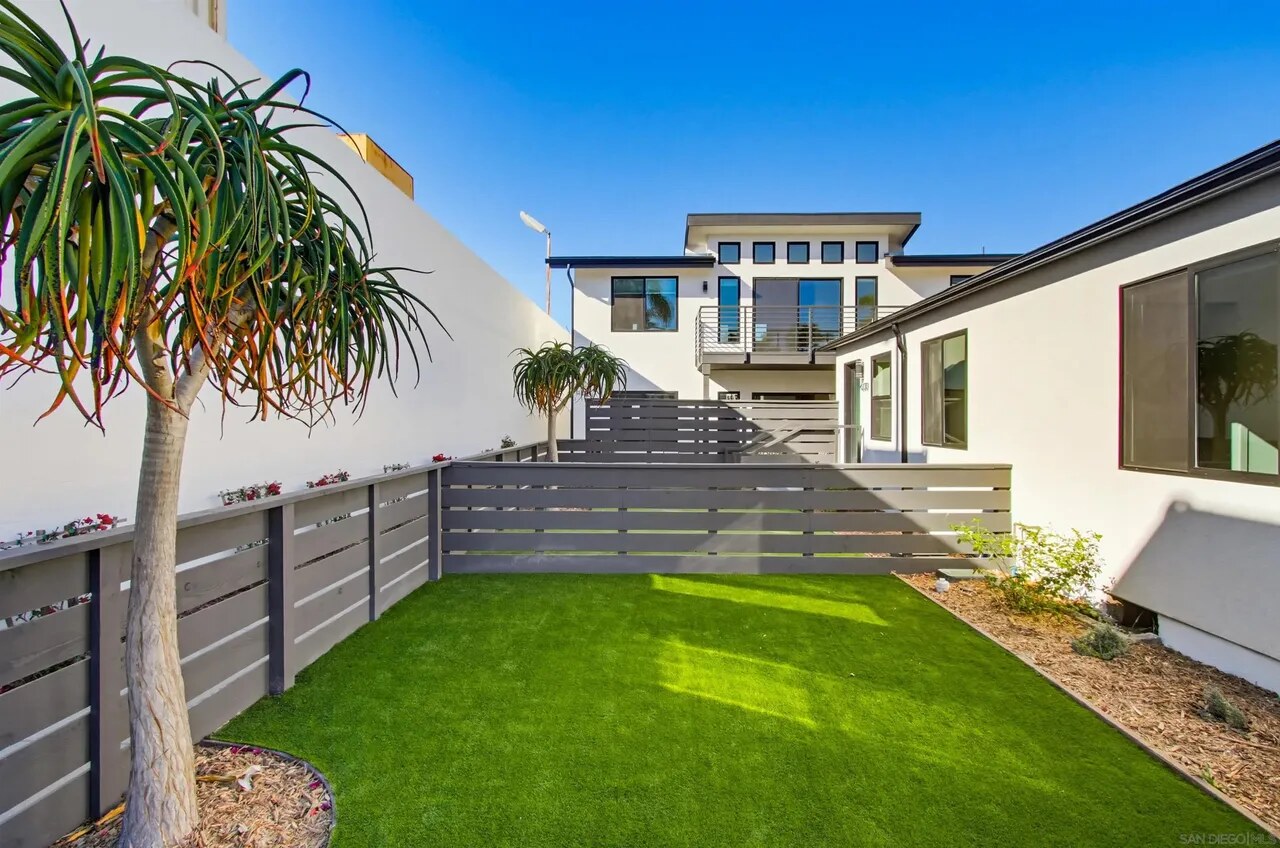
A first look at four completed Waypoint projects. We’ll add the project scope, size, timeline, and the story behind each build as the full case studies are completed.
The first step is free
Share the address and what you want the ADU to accomplish. Waypoint will identify the likely fit, the biggest unknowns, and whether a formal paid feasibility study is justified.
Your initial review is built to clarify:
Common questions
Every property is different. These are the practical starting points—not promises made before seeing the site.
Start with the address, the existing site, and what you want the ADU to accomplish. The first review should identify likely size and placement constraints, access, utilities, and the questions that need official verification.
No. In most cases, earlier is better. It is cheaper to test the project goal, rough scope, and major constraints before investing in a complete plan set.
Yes, through one coordinated process. Waypoint handles the initial review, coordinates the appropriate design and permitting specialists, and stays connected to budget and constructability before building the approved project.
The initial Waypoint review is free. If the property appears worth advancing, the next step may be a separate paid feasibility study completed with specialist design and permitting support. You will know the scope and fee before deciding whether to proceed.
The honest answer depends on size, site access, utilities, finish level, jurisdictional requirements, and the existing property. Waypoint uses the early review to narrow those drivers before presenting a firmer budget.
Design, agency review, and construction timing vary by scope and jurisdiction. A useful schedule comes after the approval path, site conditions, and design scope are understood—not from a generic website countdown clock.
Waypoint ADU is focused on San Diego County, where local site, permitting, and construction realities can be evaluated in the same conversation.